Protection
Coating, wax or film: an honest comparison for Lowcountry cars
Three different products doing three different jobs, and how to work out which one your car and your commute actually need.
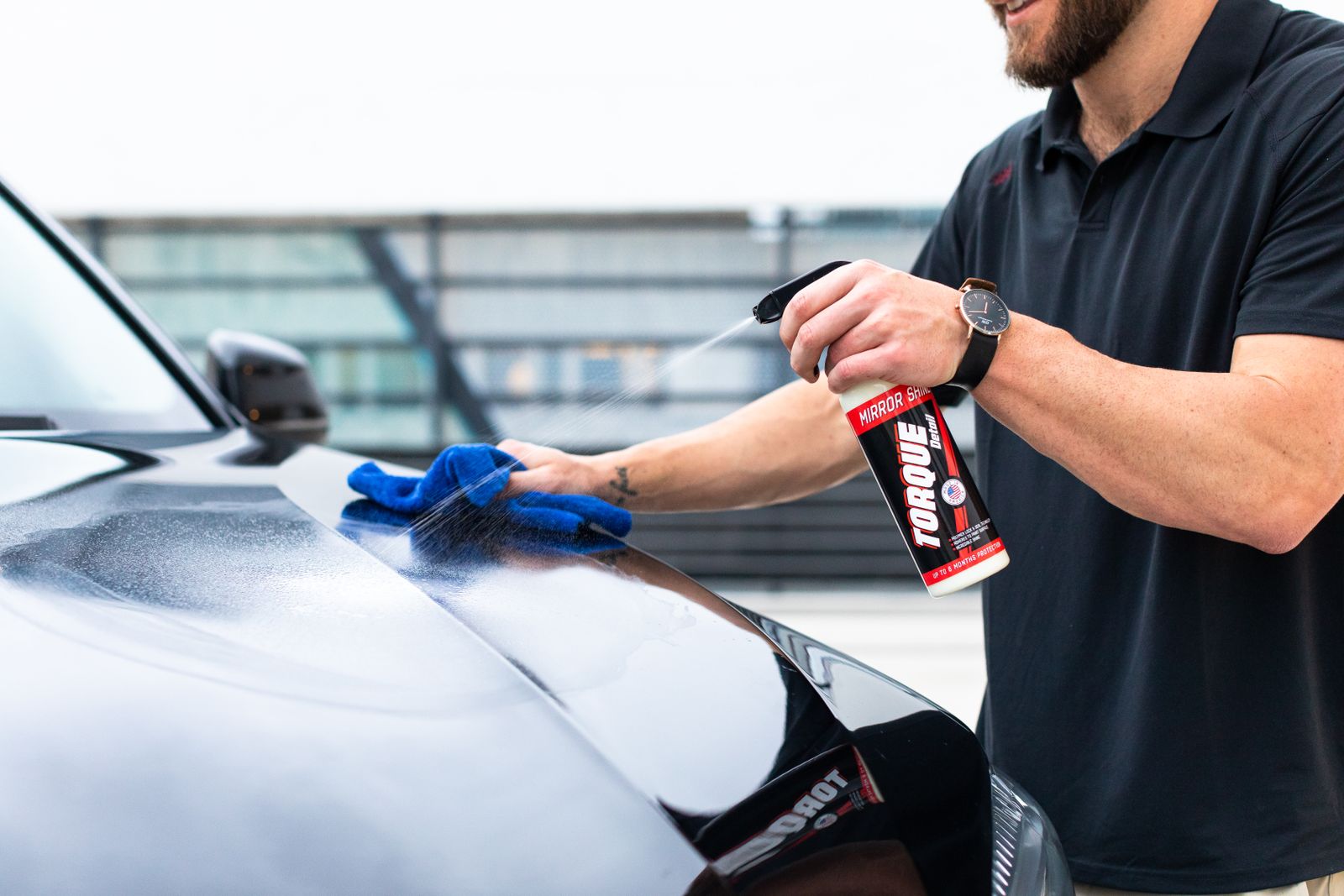
The question we get asked most often is which protection is best. It is the wrong question. Wax, ceramic coating and paint protection film are not competing products at different price points. They do genuinely different jobs, and the right answer depends far more on how you use the car than on what it cost.
Wax and sealants: the short-term gloss layer
A carnauba wax or a synthetic sealant sits on top of the clear coat as a sacrificial layer. It adds warmth and depth to the finish, gives you some water beading and buys a few months of easier washing.
In this climate, a wax realistically lasts six to eight weeks. A good synthetic sealant, which is what we include with our hand wash, holds for about three months. Both wash off eventually, which is the point: they are sacrificial.
- Cost: included with a wash, or a small add-on
- Life in Charleston: six weeks to three months
- Best for: garage-kept cars, classics with delicate original paint, anyone who enjoys doing it themselves
Ceramic coating: the chemical armor
A ceramic coating bonds to the clear coat rather than sitting on it. Once cured, it forms a hard, slick layer with real chemical resistance. Bird droppings, sap, bug splatter and salt spray all have a much harder time etching the paint underneath.
The practical benefit, day to day, is that washing takes about half as long. Dirt releases under the hose. Water sheets off instead of drying into spots. Because you touch the paint less to clean it, you introduce fewer new swirls, which is a quiet, compounding advantage over several years.
What a coating does not do is stop a rock. It is chemistry, not armor. Anyone marketing a coating as scratch-proof is overselling it.
- Cost: a serious investment, and it requires correction first
- Life: two to five years depending on tier (sample terms)
- Best for: daily drivers parked outside, island cars fighting salt air, new vehicles
Paint protection film: the only thing that stops a chip
Film is a thick, clear urethane layer applied to specific panels. It physically absorbs impacts. If you commute over the Ravenel Bridge, or spend time on I-26 north of town behind construction traffic, film on the front end is the only product that will keep your bumper from looking sandblasted in three years.
It also self-heals. Light scratches in the film close up with heat from the sun or warm water. We usually install film on the full front and then coat the rest of the car, which gives you impact protection where the impacts happen and chemical protection everywhere else.
- Cost: the highest of the three, priced by coverage
- Life: seven to ten years realistically (ten-year sample warranty terms)
- Best for: bridge commuters, new cars kept long term, dark paint that shows every chip
How we actually advise people
If the car lives in a garage and comes out on weekends, a sealant with regular hand washing is plenty. We have talked more than one customer out of a coating on exactly these grounds.
If the car is parked outside on the peninsula or anywhere near the water, a coating pays for itself in easier maintenance and a finish that still looks right at trade-in.
If the car crosses a bridge every day or you are keeping it for a decade, film the front and coat the rest. That combination costs the most up front and is the only one we have never had a customer regret.
Buy the protection your commute needs, not the one with the longest number on the brochure.
Ready to act on any of this?
Compare protection options